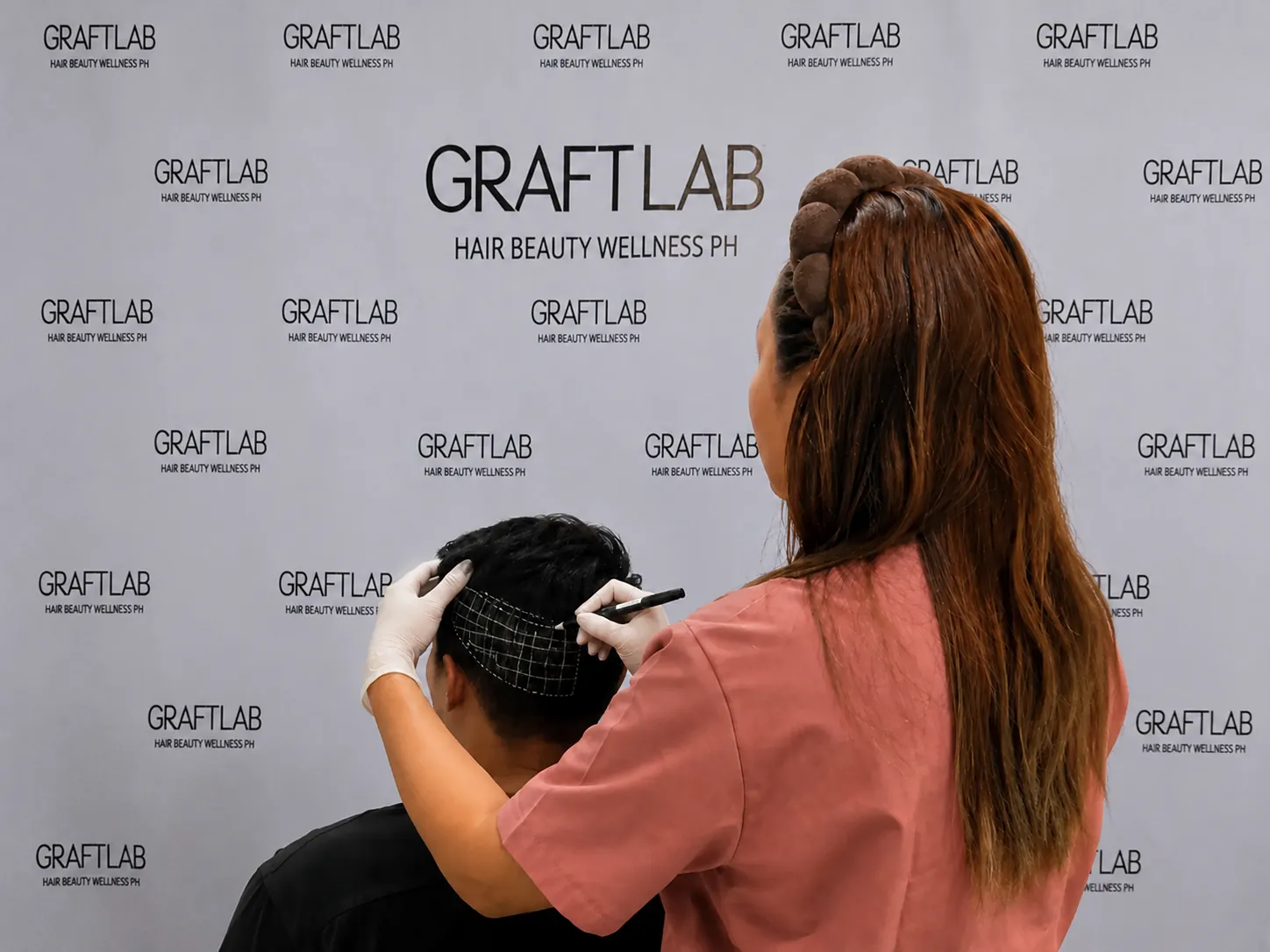
A hair transplant does not create new hair. It moves hair you already have. The follicles that make a transplant possible come from the 'donor area' — the band of hair at the back and sides of your head, which is genetically resistant to balding and so keeps growing for life, even after it is moved.
That fact has a consequence most patients are never told plainly: your donor area is a finite, one-time resource. Every follicle taken from it is gone from there permanently. It does not grow back. A hair transplant is, in effect, a careful redistribution of a fixed supply of permanent hair — and how wisely that supply is spent is the single most important decision in the entire process.
Why over-harvesting is the cardinal mistake
When a clinic takes too many grafts from the donor area in pursuit of a dense result today, it can leave that area visibly thin, patchy, or scarred. This is one of the few outcomes in hair restoration that is genuinely difficult to repair — because the hair to repair it would have to come from the very area that has been depleted. A poorly judged donor harvest can leave a patient worse off than the thinning they came to fix.
There is a second cost, less visible but just as serious. Hereditary hair loss is progressive — it continues over the years. A patient who has their maximum number of grafts harvested at forty may find, at fifty-five, that their loss has advanced and there is little donor hair left in reserve to address it. A careful plan accounts for the whole of a patient's life, not just the appointment in front of them.
Why 'maximum grafts' should make you ask questions
This is why the common sales pitch — the maximum number of grafts, the highest density, all in one visit — is worth pausing on. More grafts harvested is not the same as a better result. The right number is the number your case genuinely needs, balanced against what your donor area can sustainably give over your lifetime. Sometimes that is fewer grafts than a patient expects.
A clinic that conserves your donor area is making a quieter promise: that it values your result in twenty years as much as your photograph next month. When you assess any clinic, ask how they decide how much to harvest, and what they are leaving in reserve. The answer tells you a great deal about how they think.
At GraftLab, donor conservation is built into how we plan every procedure. We take only what your plan requires, and we protect the rest. It is, we think, the most important thing a hair restoration clinic can get right.